From Idea to Gameplay: How Games Are Created
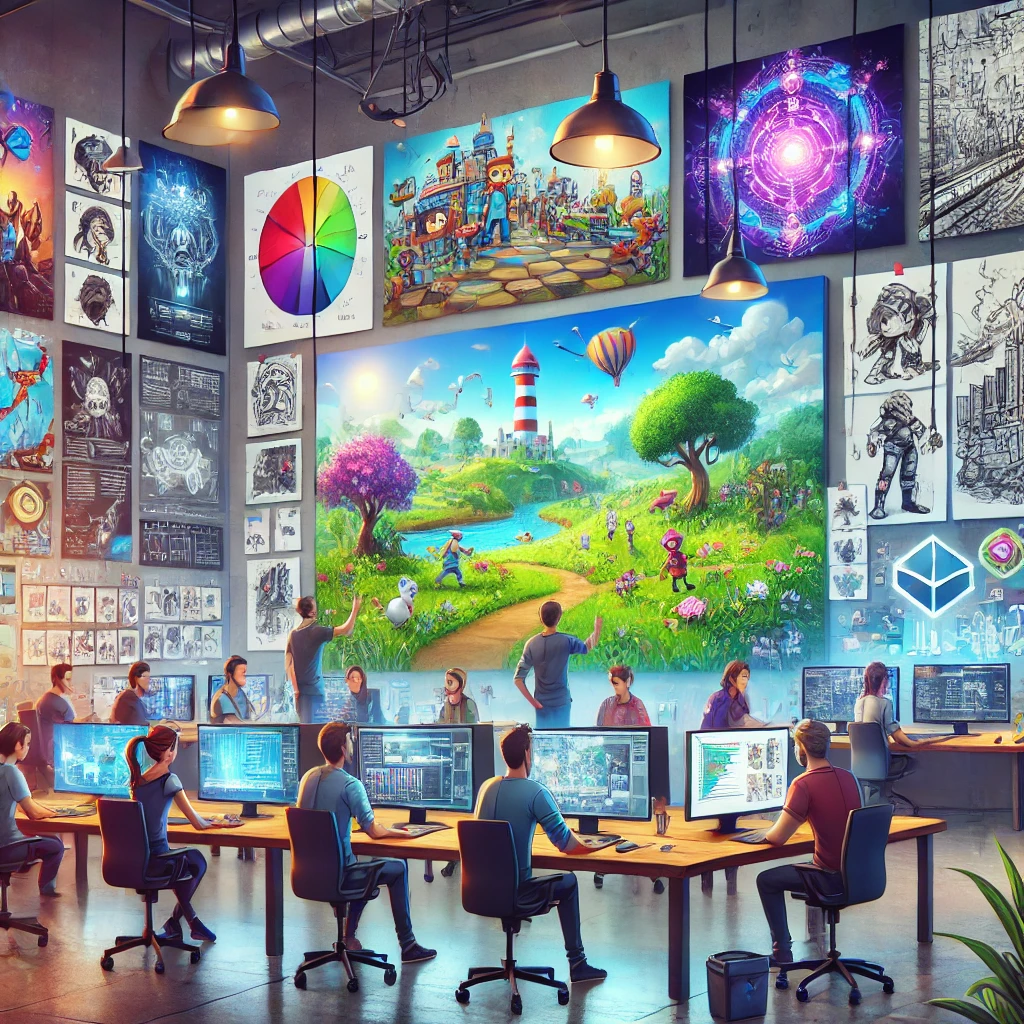
Behind every engaging game is a team of creative minds and countless hours of development. The process of creating a game is a blend of art, technology, and storytelling, starting with an idea and culminating in an interactive experience lavirno.
The Conceptual Stage Every game starts with an idea. Whether it’s a simple concept for a puzzle game or a complex narrative for an RPG, developers brainstorm mechanics, themes, and target audiences. The key question: What experience do we want to create?
Design and Development Once the concept is solidified, developers create detailed game mechanics, levels, and visuals. Artists design characters and environments, while programmers bring these elements to life with code. Audio designers add soundscapes that immerse players in the game world.
Testing and Refinement Before a game reaches the public, it’s rigorously tested. Beta testers play the game to identify bugs, glitches, and areas for improvement. Feedback during this phase is crucial for creating a polished final product.
The Launch and Beyond Modern games often continue to evolve after launch, with updates, expansions, and community-driven improvements. This ensures that games remain relevant and engaging for players long after their initial release.
Blog
The Evolution of Games: From Ancient Times to Digital Era
1. The Evolution of Games: From Ancient Times to
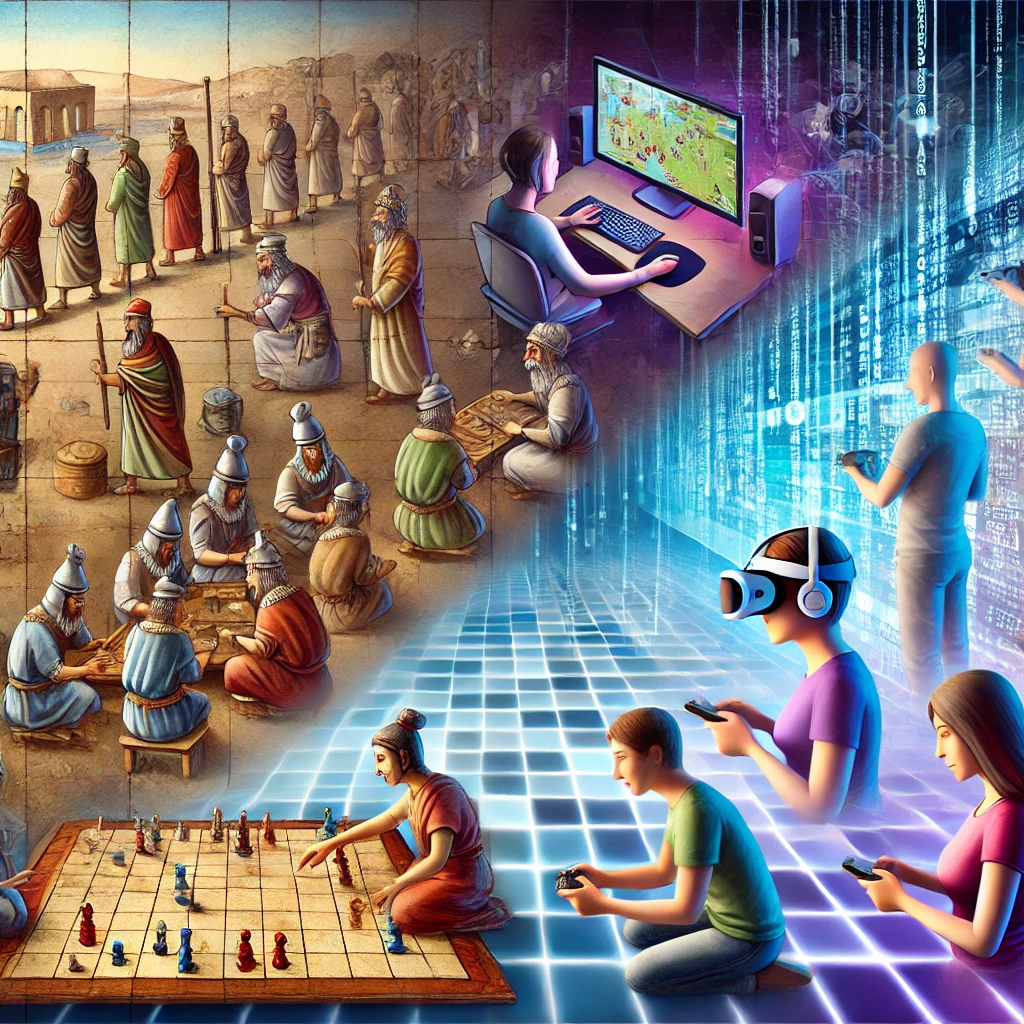
Games have been an integral part of human culture for centuries, serving as a source of entertainment, learning, and social bonding. The journey of games began long before the advent of digital technology, evolving through various eras and reflecting the changes in society and technology lavirno.
The Origins of Games Games date back to ancient civilizations. Board games like Senet from ancient Egypt or Go from China were not just pastimes but also tools for strategy, education, and even spiritual rituals. These early games often symbolized societal hierarchies, war tactics, and cultural stories.
The Rise of Physical and Social Games As civilizations evolved, so did the forms of games. Physical games like archery, wrestling, and ball games gained popularity, focusing on skills and teamwork. Social games emerged during gatherings, using dice, cards, and other tools to bring people together.
The Digital Revolution The 20th century saw the birth of digital games, starting with basic computer programs in the 1950s. These evolved into video game consoles in the 1970s, transforming gaming into a global industry. Today, digital games are more immersive than ever, offering multiplayer experiences, stunning visuals, and narratives that rival blockbuster movies.
igital Era
The Psychology Behind Gaming: Why We Play
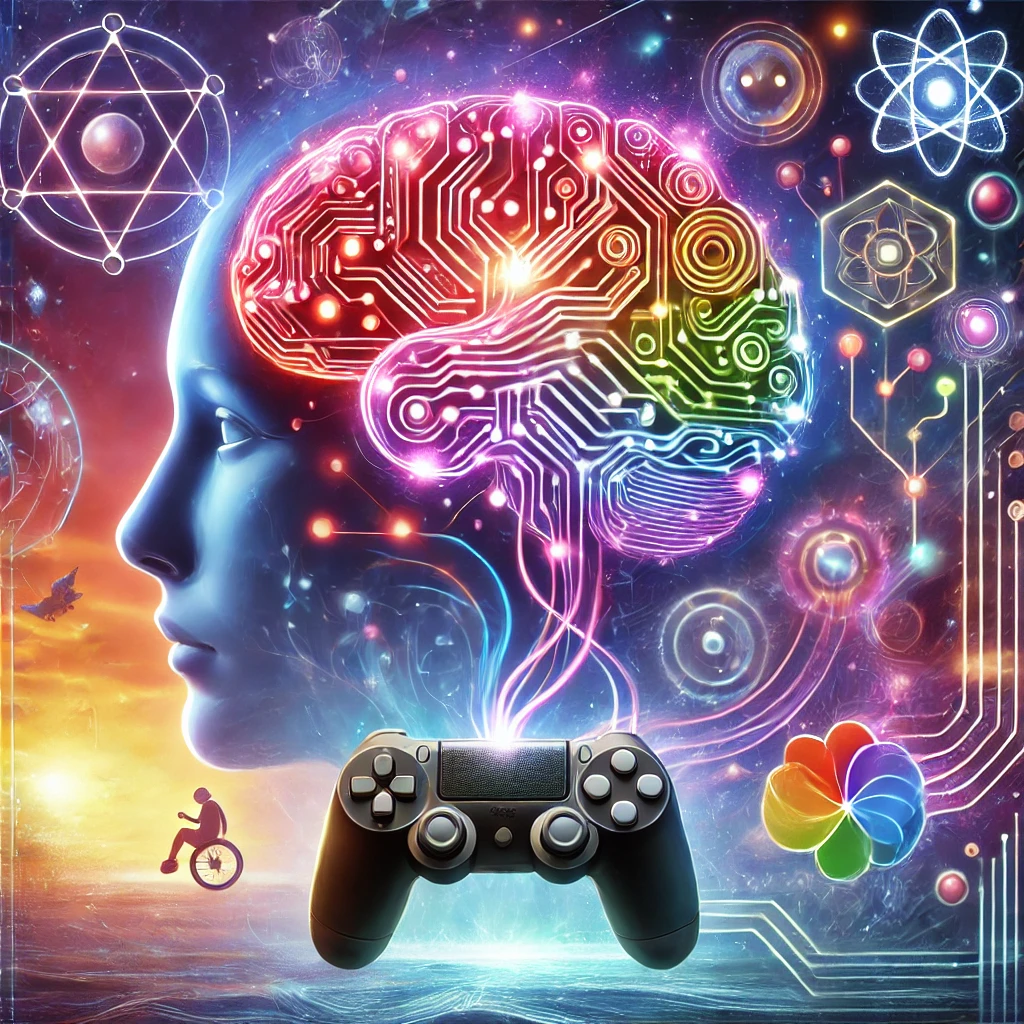
Gaming is more than just a form of entertainment—it’s an experience that taps into our psychological needs. From sparking creativity to fulfilling our desire for achievement, the appeal of gaming is deeply rooted in human psychology lavirno.
Escapism and Relaxation Games provide an escape from daily stress, offering players a chance to explore new worlds and live out adventures. They allow us to relax and recharge while engaging with fascinating narratives and challenges.
The Reward System Most games are built on a reward system, releasing dopamine when players achieve goals, solve puzzles, or unlock new levels. This sense of accomplishment keeps players engaged and motivated.
Social Connection Multiplayer games foster social interaction, even across vast distances. Whether competing or collaborating, games provide a platform for building friendships and strengthening bonds.
Cognitive Benefits Many games enhance cognitive skills, such as problem-solving, memory, and multitasking. Puzzle games, strategy games, and even action titles require players to think critically and adapt quickly.
From Idea to Gameplay: How Games Are Created
Behind every engaging game is a team of creative minds and countless hours of development. The process of creating a game is a blend of art, technology, and storytelling, starting with an idea and culminating in an interactive experience lavirno.
The Conceptual Stage Every game starts with an idea. Whether it’s a simple concept for a puzzle game or a complex narrative for an RPG, developers brainstorm mechanics, themes, and target audiences. The key question: What experience do we want to create?
Design and Development Once the concept is solidified, developers create detailed game mechanics, levels, and visuals. Artists design characters and environments, while programmers bring these elements to life with code. Audio designers add soundscapes that immerse players in the game world.
Testing and Refinement Before a game reaches the public, it’s rigorously tested. Beta testers play the game to identify bugs, glitches, and areas for improvement. Feedback during this phase is crucial for creating a polished final product.
The Launch and Beyond Modern games often continue to evolve after launch, with updates, expansions, and community-driven improvements. This ensures that games remain relevant and engaging for players long after their initial release.